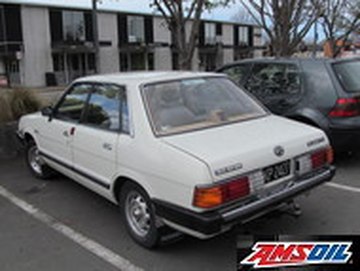
Maintenance Guidance for 1983 Subaru 2-DOOR 1.8L
Maintaining an older light truck requires consistent attention to fluid levels and component health. For this 1983 Subaru 2-DOOR with the 1.8L EA81 engine, following specific fluid guidelines helps manage the mechanical requirements of the vehicle over time.
What differential or gear oil does my 1983 Subaru 2-DOOR 1.8L take?
The following gear oils are listed for this application: SEVERE GEAR® 80W-90 (AGLPK-EA), SEVERE GEAR® 75W-90 (SVGPK-EA), and SEVERE GEAR® 75W-110 (SVTPK-EA).
Engine Oil Viscosity Considerations
When managing engine lubrication for the 1.8L EA81 engine, it is important to use the viscosity grade listed for this specific vehicle. The database identifies 10W-30 as a permitted viscosity for this application. Using the correct weight helps maintain the intended lubrication characteristics within the engine components during various operating temperatures.
Routine Fluid Inspection
Regularly checking fluid levels is a fundamental part of light truck maintenance. For this vehicle, monitoring the engine oil level via the dipstick ensures that the system remains sufficiently lubricated. Additionally, inspecting gear oil levels in the differentials can help identify potential leaks or seal failures before they lead to mechanical issues. Always perform these checks on level ground to ensure accurate readings.
Managing Oil Change Intervals
To maintain the longevity of the 1.8L engine, you should adhere to a consistent maintenance schedule. Because specific mileage or time intervals are not provided in the technical data for this vehicle, you must follow the manufacturer's maintenance schedule or consult your owner's manual. Keeping up with these scheduled changes helps prevent the buildup of contaminants that can affect engine performance.
Observing Fluid Condition
Beyond simply checking levels, observing the physical condition of the fluids can provide insight into the vehicle's health. Engine oil may change in color or texture over time due to heat and combustion byproducts. Similarly, gear oils should be inspected for signs of contamination or unusual odors. If you notice significant changes in fluid appearance, it is a signal to consult your maintenance documentation.
Environmental and Safety Precautions
When performing any fluid service on this 1983 Subaru, such as changing engine oil or gear oil, proper handling is essential. Used oils and lubricants should be collected and disposed of according to local environmental regulations. Always use appropriate protective equipment to avoid skin contact with used fluids, and ensure the vehicle is securely positioned before performing any work underneath the chassis.
What coolant does my 1983 Subaru 2-DOOR 1.8L take?
The following products are listed for this vehicle:
- ANTPC1G-EA — Passenger Car & Light Truck Antifreeze & Coolant
- ANT1G-EA — Low Toxicity Antifreeze and Engine Coolant
When should I change the oil in my 1983 Subaru 2-DOOR 1.8L?
To determine the correct oil change interval for this vehicle, follow the owner's manual or the manufacturer maintenance schedule.
What oil does my 1983 Subaru 2-DOOR 1.8L take?
The following oils are listed for this vehicle:
- ATMQT-EA — Signature Series 10W-30 Synthetic Motor Oil
- XLTQT-EA — XL 10W-30 Synthetic Motor Oil
- OETQT-EA — OE 10W-30 Synthetic Motor Oil
What oil filter does my 1983 Subaru 2-DOOR 1.8L need?
The following oil filters are listed for this vehicle:
- AMSOIL Ea Oil Filters: EA15K51-EA
- WIX Oil Filter: 51361-EA
What transmission fluid does my 1983 Subaru 2-DOOR 1.8L take?
The following fluids are listed for this vehicle:
- ATFPK-EA — Signature Series Multi-Vehicle Synthetic Automatic Transmission Fluid
- OTFQT-EA — OE Multi-Vehicle Synthetic Automatic Transmission Fluid
BUYING ENGINE OIL
When you are ready to purchase lubrication for your 1.8L engine, look for products that match the 10W-30 viscosity listed for this application. Verify that the product packaging explicitly states it is intended for use in your specific vehicle type and engine configuration to ensure you are selecting a product that aligns with the provided technical data.